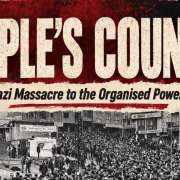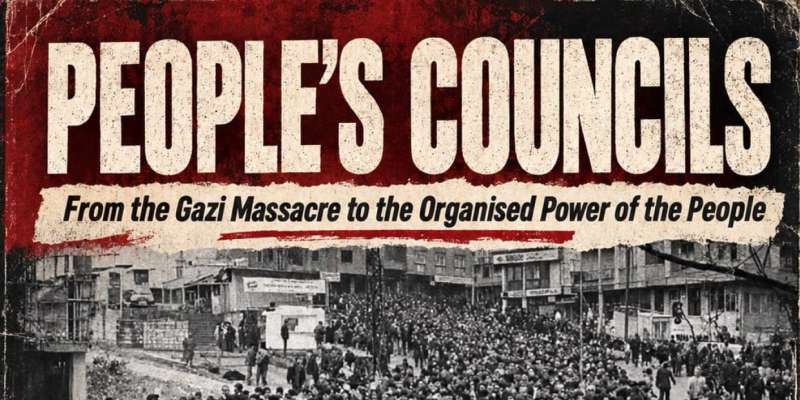
On the evening of 12 March 1995, gunmen opened fire on cafés and a pastry shop in the Gazi neighbourhood of Istanbul, killing Halil Kaya, known as Halil Dede, and wounding other residents. The attack was followed by mass protests and an uprising from 12 to 15 March, as residents confronted police gunfire and repression. The events spread beyond Gazi, including to Ümraniye’s 1 Mayıs neighbourhood. The Gazi massacre and the resistance that followed form the historical starting point of this book.
Gazi was a working-class gecekondu neighbourhood, shaped by migration from Anatolia and by persistent problems with housing, water, electricity, transport, education and healthcare. Alevis and Sunnis, Turks, Kurds and Laz people lived alongside one another. In the aftermath of the massacre, efforts to divide residents along religious or national lines did not prevent people from taking part in common protests. The experience of solidarity—sharing food and resources, caring for the wounded and acting together—left an enduring mark on the neighbourhood.
The first-anniversary commemoration in March 1996 showed that the events of the previous year remained central to local political life. Yet residents still faced the everyday problems and repression that had troubled the neighbourhood before the uprising. Over the following months, they began to discuss a permanent means of organising, making collective decisions and addressing the needs of the community. These discussions led to the establishment of the People’s Council of Gazi and neighbouring Zübeyde Hanım on 5 October 1996, at a founding meeting attended by more than 1,500 people, as recorded in the original council materials.
This edition follows that chronology: first the Gazi massacre and uprising of 12–15 March 1995; then the first-anniversary commemorations and local organising efforts; next the establishment of the People’s Council, its programme, regulations and the testimony of its members, including women organisers. The final part contains the complete educational text “50 Questions About the People’s Councils” (Haziran Publishers, 1996), with the original question sequence preserved. The questions appear last so that readers can approach the general principles through the concrete experience of Gazi.
Subscribe to stay up-to-date